• Commercial Roofing
    • Roof Repair
    • Roof Replacement
    • New Construction
    • Preventative Maintenance
    • Reroofing
  • Products
    • Cool Roofing Systems That Reduce Energy Costs for Commercial Buildings
  • Materials
    • Roof Coating
    • Metal
    • TPO
    • PVC
    • Shingles
    • Tile
  • Industries
    • Commercial
    • Government
    • HOA Roofing
    • Industrial
    • Retail
    • Schools
  • About
    • Awards
    • Areas We Serve
      • Arizona
      • California
      • Colorado
      • Idaho
      • Montana
      • Nevada
      • Oregon
      • Utah
      • Washington
    • Projects / Portfolio
    • Testimonials
  • Resources
    • Blog
    • FAQ
  • Contact
  • Menu Menu

How to Prepare Your Roof for a Storm: The Ultimate Guide

Storm Preparation: Tips for Commercial Roof Protection

Without adequate planning, what starts as a small roof leak can quickly escalate into significant structural damage, expensive repairs, and operational disruptions that harm your business’s bottom line.

However, by taking a few proactive steps, you can significantly reduce your risks, minimize downtime, and give yourself valuable peace of mind when the weather gets rough. In this guide, we’ll walk you through how to prepare your commercial roof for storm season.

Why Roof Preparation Is Crucial Before Storm Season

When severe weather strikes whether it’s heavy rains, high winds, hailstorms, or hurricanes your roof is often the first line of defense. Proper preparation and maintenance can mean the difference between minor inconveniences and costly disruptions that put your operations on hold.

Storm damage to commercial roofs is notoriously expensive and often difficult to detect right away. Small issues like minor leaks or damaged flashing can quickly spiral into major structural problems, including mold growth, insulation damage, or weakened roof support structures. Not only can this lead to significant repair bills, but it can also disrupt business operations, create safety hazards for employees or customers, and even lead to legal liabilities.

Beyond the financial implications, there’s also the impact on your business’s reputation. Customers and tenants trust commercial property managers and business owners to provide safe, reliable facilities. Frequent closures, visible roof damage, or ongoing leaks can erode confidence, costing you customers and revenue long-term.
Essential Roof Maintenance Tasks Before Storm Season

The best way to handle storm-related roof damage is to prevent it entirely by properly preparing your roof for a storm. That means implementing routine maintenance tasks designed specifically to identify vulnerabilities and reinforce your roof’s defenses before storms have a chance to cause problems.

Inspection and Assessment

Regular professional roof inspections are critical in the months leading up to storm season. Even if your roof seems fine from ground level, trained inspectors often uncover hidden issues that could help you prepare your roof for a storm.

During an inspection, roofing experts will evaluate critical components such as seams, flashing, membranes, shingles, gutters, and drainage systems. They’ll look for potential problems like loose or missing materials, cracks, standing water, corrosion, or worn-out coatings. Catching these issues early gives you time to address them properly, rather than scrambling to repair extensive damage after a storm hits.

If your building hasn’t had an inspection in the last year, now’s the time. Regular inspections not only reduce your risk of emergency repairs but also extend your roof’s lifespan, saving significant money in the long run.

Clean Gutters and Drainage Systems

One of the most overlooked but essential parts of preparing your roof for a storm is keeping your gutters, drains, and downspouts clear. When storms dump large amounts of rain in a short time, a clear drainage system helps water flow off the roof quickly and safely, reducing the risk of ponding water.

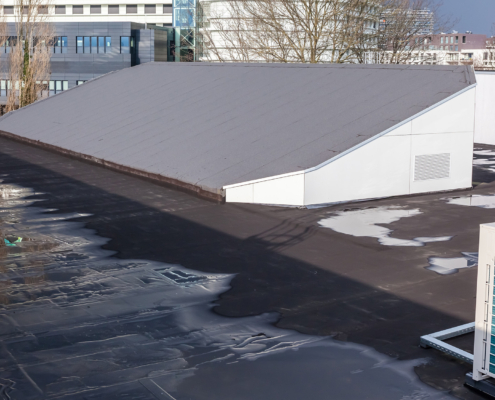
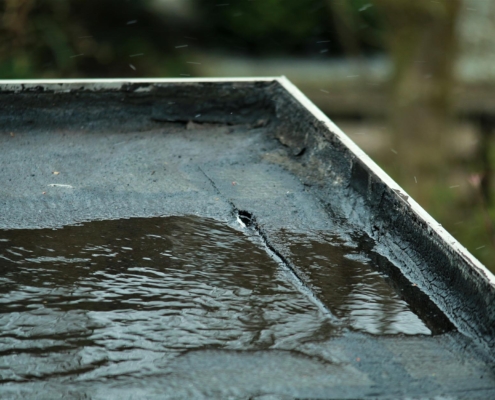
Clogged gutters or drains lead to standing water, which dramatically increases the likelihood of leaks or structural issues, especially on flat or low-slope roofs common in commercial buildings. Standing water also adds excessive weight, increasing stress on the structure beneath.

Before storm season, have maintenance crews remove leaves, debris, and buildup from gutters, drains, and roof surfaces. This simple task can significantly reduce your risk of costly repairs later.

Secure Loose or Damaged Roofing Materials

Any loose, damaged, or compromised roofing components can become major liabilities during severe weather. High winds can tear loose shingles, flashing, or membranes away from the roof surface, creating immediate entry points for water. Loose materials also pose a safety risk, as they can become airborne debris, causing damage to nearby buildings or vehicles and increasing your liability exposure.

Take time before storm season to carefully secure or replace loose materials. This may include sealing flashing around HVAC units or roof penetrations, replacing damaged shingles or tiles, or reattaching loose metal panels or single-ply membranes.

While these may seem like minor issues when the weather is calm, addressing them early dramatically reduces the likelihood of costly damage when a storm arrives.

How to Strengthen Your Roof Against Severe Weather

Beyond basic maintenance, you can take additional proactive steps to prepare your roof for a storm, significantly improving its resilience against severe weather. These steps don’t just help prevent damage they also ensure that if severe weather does strike, your property will withstand it better, limiting both damage and operational disruption.

Consider Applying Protective Roof Coatings

One highly effective way to prepare your commercial roof is applying a protective coating or waterproof membrane. Coatings provide an extra barrier against water intrusion, helping to seal any small cracks, seams, or porous areas that might otherwise allow water entry during heavy rainfall.

Additionally, specialized roof coatings are designed to resist UV damage, which can weaken roofing materials over time. They also reduce heat absorption, providing the added benefit of improving energy efficiency. Choosing the right coating or membrane depends on your roof type, local climate, and budget but in most cases, it’s a cost-effective preventive measure.

Applying roof coatings before storm season ensures your roof is protected and ready to handle the harshest conditions, giving you added peace of mind.

Reinforce Flashing and Seal Seams

Flashing the thin metal strips around roof penetrations like vents, skylights, or HVAC units is a common point of failure during storms. Strong winds or heavy rains can exploit loose or poorly sealed flashing, quickly creating openings for water.

Taking time to inspect and reinforce flashing before storms arrive can save you considerable trouble. Professional roofers typically re-seal flashing using specialized roofing cement, replace severely damaged flashing, or apply additional protective layers around penetrations.

Likewise, the seams of single-ply roofing membranes (such as TPO or PVC) require careful inspection and occasional reinforcement. Seams naturally weaken over time, so applying sealant or seam tape before storm season can prevent wind-driven water from penetrating your roof system.

Secure Rooftop Equipment

Rooftop equipment HVAC units, antennas, satellite dishes, or solar panels can become significant hazards during storms. High winds can dislodge poorly secured equipment, creating not just roof damage but also dangerous projectiles.

Before storm season, thoroughly inspect rooftop equipment for stability. Ensure each unit is securely anchored and that mounting hardware is in good condition. Tighten loose bolts, repair damaged supports, or replace outdated fasteners to ensure equipment remains secure during severe weather.

If your property includes significant rooftop installations, partnering with an experienced roofing contractor or HVAC professional can be particularly beneficial. Professionals can evaluate the stability of your equipment, recommend necessary reinforcements, and implement preventative measures to ensure safety and stability through storm season.

Don’t wait until storm season hits to realize your roof needs attention. Explore GoGreen Roofing Corp.’s comprehensive roof repair and maintenance solutions to ensure your commercial property stays protected, rain or shine.

Explore GoGreen’s Repairs

Creating an Emergency Roof Protection Plan

No matter how thorough your roof preparation is, storms can still bring unexpected challenges. Having an emergency roof protection plan in place helps your business quickly respond to issues that arise, reducing the risk of serious damage, costly repairs, and operational disruptions.

Establish Clear Emergency Procedures

The first step in creating your emergency plan is establishing clear, documented procedures that outline what actions to take before, during, and after severe weather. Include critical contact information for roofing professionals, maintenance personnel, utility providers, insurance agents, and emergency response teams.

These procedures should be shared with key employees and maintenance staff well before storm season arrives, ensuring that everyone understands their roles clearly. Regular training or quick refresher meetings can reinforce your emergency protocols, making your team ready to act promptly and effectively if needed.

Prepare Temporary Protection Materials

Commercial roof storm damage happens unexpectedly, leaving limited time for response. Stocking essential temporary protection materials, such as heavy-duty tarps, plywood, sandbags, and sealing tape, ensures your team can quickly secure any roof damage to prevent additional water intrusion or further deterioration.

Store these materials in a readily accessible area, and assign specific personnel responsible for deploying them in emergencies. This proactive approach allows you to respond swiftly, minimizing the spread of damage and buying valuable time until professional repairs can be made.

Schedule Professional Assistance Immediately After Severe Weather

It’s critical to arrange professional inspections as soon as possible after severe storms even if damage isn’t immediately obvious. Prompt inspections by experienced roofers can catch hidden issues that may escalate quickly if left unaddressed. In addition, timely documentation of damage is essential for insurance claims, speeding up the repair process and potentially reducing your out-of-pocket costs.

Maintaining an ongoing relationship with a trusted roofing contractor ensures priority response after severe weather events. Having a reliable professional on call gives you peace of mind, knowing that expert help is always available to manage storm damage quickly and efficiently.

After the Storm: Immediate Steps to Minimize Damage

Once a storm has passed, your immediate priority is to assess and limit damage. Swift action can mean the difference between minor repairs and major reconstruction. Here’s how to quickly and safely evaluate your roof after severe weather:

Conduct a Ground-Level Inspection First

For safety reasons, start your assessment from the ground. Walk around your property, looking closely for visible signs of roof damage, such as missing or displaced shingles, loose or bent flashing, fallen debris, or damaged rooftop equipment. Also, pay attention to signs of internal damage, such as water stains on ceilings or walls, wet spots on floors, or unusual odors that might indicate hidden leaks or water intrusion.

Taking photographs or videos during your initial inspection provides essential documentation for insurance purposes. It also gives roofing professionals a head start in understanding the scope of any needed repairs.

Prioritize Safety and Limit Access

If your preliminary inspection indicates significant damage, prioritize safety above all else. Clearly mark or cordon off areas where roof damage or debris presents hazards, and limit access until professional repairs can be safely completed.

In addition, ensure staff and building occupants understand that damaged areas are off-limits. Communicating clearly and quickly about potential hazards helps prevent accidents and further liabilities.

Schedule Professional Repairs Promptly

Once you’ve identified damage, schedule repairs promptly. Delaying repairs even seemingly minor ones can lead to much larger problems down the road, including mold growth, compromised insulation, structural deterioration, and higher overall repair costs.

A professional roofer will provide a thorough post-storm inspection, accurate damage assessment, and a clear repair plan. Acting quickly on these recommendations ensures your roof returns to full strength, limiting downtime and preparing your roof for future storms.

The Long-Term Benefits of Ongoing Roof Maintenance

While storm preparation and emergency response are essential, long-term roof maintenance provides the most significant return on your investment. An ongoing maintenance plan offers multiple benefits, going far beyond preventing storm damage alone.

Reduced Long-Term Repair Costs

Routine maintenance such as annual inspections, clearing gutters, sealing flashing, and addressing small issues immediately significantly extends your roof’s lifespan and reduces costly repairs over time. Preventative maintenance catches potential problems when they’re minor, preventing escalation into more significant issues.

Improved Operational Reliability

A well-maintained roof minimizes operational disruptions. Businesses that proactively address roofing issues avoid downtime caused by leaks, structural failures, or emergency repairs. In turn, this keeps your business running smoothly, without interruption, boosting productivity and profitability.

Enhanced Property Value and Safety

Regular roof maintenance not only preserves your roof it preserves your entire property. A properly maintained roof is a critical component of overall building integrity, protecting structural elements, insulation, and interior spaces from moisture and environmental damage.

Additionally, ongoing maintenance enhances safety. Employees, customers, and tenants benefit from a secure and reliable facility, contributing positively to your business’s reputation and helping to reduce liability risks.

Peace of Mind for Property Owners and Managers

Perhaps the most significant benefit of consistent roof maintenance is peace of mind. Knowing your property is well-maintained, structurally sound, and protected against storms and harsh weather provides invaluable reassurance, allowing you to focus your attention on running your business successfully.

Partner Up With GoGreen for Your Commercial Roof Storm Damage Needs

Preparing your commercial roof for storm season can feel overwhelming, but you don’t have to face it alone. At GoGreen Roofing Corp., we specialize in comprehensive roofing services designed specifically for commercial properties. From detailed inspections and proactive maintenance to emergency response and expert repairs, our dedicated team is committed to protecting your business year-round.

Don’t wait for the next storm to reveal hidden vulnerabilities contact GoGreen Roofing Corp. today to schedule your consultation, and discover how we can help keep your roof, and your business, safe in any weather.

Share This Post

  • Share on Facebook
  • Share on X
  • Share on WhatsApp
  • Share on Pinterest
  • Share on LinkedIn
  • Share on Tumblr
  • Share on Vk
  • Share on Reddit
  • Share by Mail

More Like This

Commercial Roof Water Damage What You Need To Know

Commercial Roof Water Damage: A Guide for Everything You Need To Know

https://www.gogreenroofco.com/wp-content/uploads/2025/08/Commercial-Roof-Water-Damage_-What-You-Need-To-Know.jpg 1250 2000 Abstrakt Marketing https://www.gogreenroofco.com/wp-content/uploads/2026/03/GoGreen-Roofing-Vector-Logo.svg Abstrakt Marketing2025-08-11 08:07:422026-06-30 10:13:11Commercial Roof Water Damage: A Guide for Everything You Need To Know
Flat Roof In Rain

Exploring the Impacts of Roof Storm Damage and the Role of Repairs and Maintenance

https://www.gogreenroofco.com/wp-content/uploads/2025/01/Flat-roof-in-rain.jpg 1250 2000 Abstrakt Marketing https://www.gogreenroofco.com/wp-content/uploads/2026/03/GoGreen-Roofing-Vector-Logo.svg Abstrakt Marketing2025-01-16 09:43:012026-06-30 11:25:31Exploring the Impacts of Roof Storm Damage and the Role of Repairs and Maintenance

Categories

  • Commercial Roofing
  • Cool Roof
  • Miscellaneous
  • Preventative Maintenance
  • Reroofing
  • Roof Inspection
  • Roof Repair
  • Roof Replacement
  • Roofing Materials
  • Storm Damage
Gogreen Logo Vector White Nov24

About GoGreen

About

Awards

Areas We Serve

Projects / Portfolio

Testimonials

What We Offer

Roofing Services

Efficiency Solutions

Materials

Contact Us

3315 Woodward Avenue
Santa Clara, CA 95054

Office: 408-343-8495

Toll-Free: 844-472-2677

info@gogreenroofco.com

© 2026 GoGreen Roofing Corporation. All Rights Reserved. [nolink} - powered by Enfold WordPress Theme
  • Link to Facebook
  • Link to LinkedIn
  • Sitemap
  • Privacy Policy
Link to: Comparing and Contrasting the Big Commercial Roofing Materials Link to: Comparing and Contrasting the Big Commercial Roofing Materials Comparing and Contrasting the Big Commercial Roofing MaterialsWorkers Installing The Metal Sheet Roof By Electrical Drilling Machine Link to: What Are the Risks of Skipping a Commercial Roof Inspection? Link to: What Are the Risks of Skipping a Commercial Roof Inspection? Worker Inspecting RoofWhat Are the Risks of Skipping a Commercial Roof Inspection?
Scroll to top Scroll to top Scroll to top

This site uses cookies. By continuing to browse the site, you are agreeing to our use of cookies.

AcceptLearn more

Cookie and Privacy Settings


How we use cookies

We may request cookies to be set on your device. We use cookies to let us know when you visit our websites, how you interact with us, to enrich your user experience, and to customize your relationship with our website.

Click on the different category headings to find out more. You can also change some of your preferences. Note that blocking some types of cookies may impact your experience on our websites and the services we are able to offer.

Essential Website Cookies

These cookies are strictly necessary to provide you with services available through our website and to use some of its features.

Because these cookies are strictly necessary to deliver the website, refusing them will have impact how our site functions. You always can block or delete cookies by changing your browser settings and force blocking all cookies on this website. But this will always prompt you to accept/refuse cookies when revisiting our site.

We fully respect if you want to refuse cookies but to avoid asking you again and again kindly allow us to store a cookie for that. You are free to opt out any time or opt in for other cookies to get a better experience. If you refuse cookies we will remove all set cookies in our domain.

We provide you with a list of stored cookies on your computer in our domain so you can check what we stored. Due to security reasons we are not able to show or modify cookies from other domains. You can check these in your browser security settings.

Other external services

We also use different external services like Google Webfonts, Google Maps, and external Video providers. Since these providers may collect personal data like your IP address we allow you to block them here. Please be aware that this might heavily reduce the functionality and appearance of our site. Changes will take effect once you reload the page.

Google Webfont Settings:

Google Map Settings:

Google reCaptcha Settings:

Vimeo and Youtube video embeds:

Accept settingsHide notification only