• Commercial Roofing
    • Roof Repair
    • Roof Replacement
    • New Construction
    • Preventative Maintenance
    • Reroofing
  • Products
    • Cool Roof
  • Materials
    • Roof Coating
    • Metal
    • TPO
    • PVC
    • Shingles
    • Tile
  • Industries
    • Commercial
    • Government
    • HOA Roofing
    • Industrial
    • Retail
    • Schools
  • About
    • Awards
    • Areas We Serve
      • Arizona
      • California
      • Colorado
      • Idaho
      • Montana
      • Nevada
      • Oregon
      • Utah
      • Washington
    • Projects / Portfolio
    • Testimonials
  • Resources
    • Blog
    • FAQ
  • Contact
  • Menu Menu

Comparing and Contrasting the Big Commercial Roofing Materials

Comparing and Contrasting the Big Commercial Roofing Materials

Choosing the right commercial roofing material for your commercial property is a big decision. Your roof protects your building, manages energy efficiency, and even influences long-term maintenance costs. With so many roofing options available—metal, PVC, TPO, shingles, tile—it can be overwhelming to decide which one best fits your needs.

The truth is that no single roofing material is perfect for every business. The right choice depends on factors like climate, budget, and the type of building you own. In this guide, we’ll break down the most common commercial roofing materials, compare their pros and cons, and help you determine which one is best for your property.

Why Your Commercial Roofing Material Matters

Your roof is more than just a covering—it’s a critical component of your building’s infrastructure. A strong, reliable roof ensures the safety of employees and customers, protects valuable assets inside, and significantly influences operational costs.

For instance, selecting an energy-efficient cool roofing material can dramatically reduce heating and cooling bills. Similarly, durable materials that withstand harsh weather conditions can save you money in the long term by reducing repair and replacement frequency.

When evaluating materials, consider your property’s location, climate conditions, budget, and the type of business you’re running. These factors play a key role in determining which roofing solution will deliver maximum value and protection over time.

A Detailed Breakdown of Popular Commercial Roofing Materials

Let’s examine five leading commercial roofing materials, their composition, advantages, drawbacks, typical costs, and ideal use cases, to help you make the right choice.

Metal Roofing: Exceptional Durability and Low Maintenance

Commercial metal roofs are generally made of steel, aluminum, zinc, or copper. Often coated with protective layers to enhance their durability and prevent rust, metal roofs are renowned for their long lifespan—typically 40 to 70 years—and minimal maintenance requirements.

The strength of metal roofs is their ability to withstand harsh conditions such as heavy snow, hailstorms, high winds, and fire. They’re particularly suitable for regions that experience severe weather, as they’re less likely to sustain damage than other roofing types.

Another advantage is energy efficiency. Metal roofing materials often feature reflective coatings that significantly reduce heat absorption. This reflectivity helps maintain stable indoor temperatures, lowering your overall energy expenses, especially during hotter months.

However, metal roofing isn’t without drawbacks. The initial installation cost is typically higher compared to materials like shingles or TPO. Additionally, without adequate insulation, metal roofs can amplify noise during heavy rainfall or hailstorms, creating disruptions inside your building.

PVC Roofing: Reliable and Chemically Resistant

PVC (polyvinyl chloride) roofing is a single-ply roofing system known for its flexibility, waterproofing capabilities, and chemical resistance. It’s a highly durable material typically used on flat or low-slope roofs.

One of the standout benefits of PVC roofing is its exceptional resistance to chemicals, grease, and oils, making it ideal for restaurants, manufacturing plants, or other facilities exposed to harsh substances. Its robust waterproofing abilities also mean it’s less susceptible to leaks or water damage, making it a top choice for rainy climates or buildings prone to pooling water.

PVC roofing membranes are highly reflective, keeping buildings cooler by reflecting sunlight away from the roof surface. This reflectivity significantly reduces cooling expenses during hot months, adding to the overall cost savings.

Despite these advantages, PVC roofing does come at a premium price compared to other single-ply membranes like TPO. Over time, PVC can sometimes shrink or become brittle, requiring routine maintenance or seam reinforcement.

TPO Roofing: Cost-Effective and Energy-Saving

TPO (thermoplastic polyolefin) is another popular single-ply roofing system favored for its affordability and ease of installation. It shares similarities with PVC in its energy-efficient properties but is usually more budget-friendly, making it attractive to commercial property owners looking to balance cost with performance.

TPO roofs are highly resistant to ultraviolet rays, punctures, and general wear and tear, which makes them a strong option for buildings with significant foot traffic on the roof, like warehouses or commercial storage facilities.

However, TPO does have some limitations. The quality of TPO can vary considerably depending on the manufacturer, so choosing a reputable brand is important. Furthermore, if TPO roofing seams aren’t installed correctly, they may become a weak point, leading to potential leaks or roof failures in the long run.

Asphalt Shingles: Versatile, Affordable, and Easy to Maintain

Asphalt shingles are among the most common and cost-effective roofing materials for commercial properties with sloped roofs. Composed of either fiberglass or organic material, they are coated with mineral granules that protect against UV rays and weather damage.

Shingles are highly versatile in appearance, coming in various colors and styles, which allows you to customize your building’s aesthetic appeal easily. They’re also relatively straightforward and affordable to install, replace, or repair, making them appealing to businesses looking for simplicity.

However, shingles have a shorter lifespan compared to materials like metal or tile—typically around 15-25 years—and they’re less resistant to severe weather conditions, including high winds or heavy rainfall. Over time, this could mean more frequent repairs and replacements, driving up long-term costs.

Tile Roofing: Elegant, Durable, and Climate-Resistant

Tile roofing, typically made from clay, concrete, or composite materials, is well-regarded for its visual appeal and impressive durability. Tile roofs commonly last over 50 years, providing long-term protection and peace of mind.

Tile roofing offers excellent insulation, helping maintain stable indoor temperatures year-round and significantly lowering energy costs. Tiles are also naturally resistant to fire, rot, and insect damage, further extending their lifespan and reducing the risk of costly structural repairs.

While tile roofs offer numerous benefits, they’re heavier than most other roofing options, requiring additional structural support, which can increase installation costs. They’re also among the more expensive roofing solutions upfront, making them more suited for high-end commercial properties.

Tile roofing is ideal for luxury retail centers, upscale office buildings, hospitality establishments, and commercial properties in hot climates looking for a combination of style, durability, and energy efficiency.
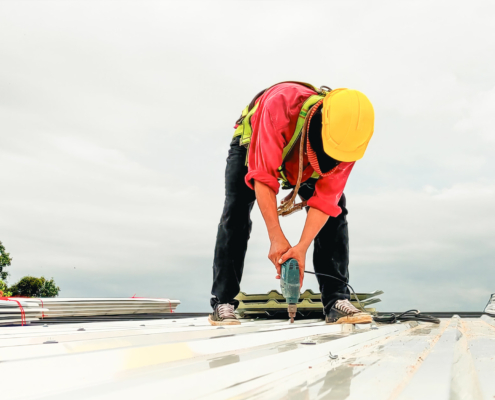
Selecting the right roofing material for your commercial building doesn’t have to be overwhelming. Explore GoGreen Roofing Corp.’s full range of commercial roofing materials and discover solutions tailored specifically to your property’s needs.

Our Roofing Materials

How to Choose the Right Roofing Material: Key Considerations

When narrowing down your commercial roofing options, consider the following crucial factors:

  • Climate and Environment: Select materials that excel under local weather conditions. For wet climates, PVC or metal roofing is ideal, as they’re more water resistant. Hot, sunny regions benefit greatly from reflective materials like TPO, PVC, or metal roofing.
  • Budget and Longevity: Assess your budget and weigh initial costs against lifespan and maintenance expenses. If upfront affordability is paramount, asphalt shingles or TPO roofing may be best. If you’re investing in long-term performance, metal or tile may offer greater value over decades.
  • Building Type and Usage: The type of your commercial building and its roof structure matters significantly. Flat-roofed warehouses or industrial buildings favor TPO, PVC, or metal, while buildings with sloped roofs—like office complexes or retail stores—may prefer shingles or tile.

Final Thoughts: Making an Informed Decision for Your Commercial Roofing Material

Choosing the ideal commercial roofing material for your commercial property involves careful consideration of your unique circumstances. By understanding the strengths and weaknesses of each material, you can confidently select a roof that meets your specific climate, budget, and operational requirements. A well-chosen commercial roof provides reliable protection, adds long-term value, and reduces overall operating costs.

If you’re ready to choose the ideal roofing solution for your commercial property, GoGreen Roofing Corp. is here to help. Our experts specialize in assessing your property’s unique needs and recommending tailored roofing solutions designed for lasting performance. Reach out today to schedule your consultation, and we’ll guide you through every step of making the right roofing investment.

Share This Post

  • Share on Facebook
  • Share on X
  • Share on WhatsApp
  • Share on Pinterest
  • Share on LinkedIn
  • Share on Tumblr
  • Share on Vk
  • Share on Reddit
  • Share by Mail

More Like This

How To Plan For A Commercial Roof Replacement Project

How to Plan for a Commercial Roof Replacement Project

https://www.gogreenroofco.com/wp-content/uploads/2025/04/How-to-Plan-for-a-Commercial-Roof-Replacement-Project.jpg 1250 2000 Abstrakt Marketing https://www.gogreenroofco.com/wp-content/uploads/2026/03/GoGreen-Roofing-Vector-Logo.svg Abstrakt Marketing2025-04-01 14:01:222026-02-23 12:13:25How to Plan for a Commercial Roof Replacement Project

Categories

  • Commercial Roofing
  • Cool Roof
  • Miscellaneous
  • Preventative Maintenance
  • Reroofing
  • Roof Inspection
  • Roof Repair
  • Roof Replacement
  • Roofing Materials
  • Storm Damage
Gogreen Logo Vector White Nov24

About GoGreen

About

Awards

Areas We Serve

Projects / Portfolio

Testimonials

What We Offer

Roofing Services

Efficiency Solutions

Materials

Contact Us

3315 Woodward Avenue
Santa Clara, CA 95054

Office: 408-343-8495

Toll-Free: 844-472-2677

info@gogreenroofco.com

© 2026 GoGreen Roofing Corporation. All Rights Reserved. [nolink} - powered by Enfold WordPress Theme
  • Link to Facebook
  • Link to LinkedIn
  • Sitemap
  • Privacy Policy
Link to: How to Plan for a Commercial Roof Replacement Project Link to: How to Plan for a Commercial Roof Replacement Project How to Plan for a Commercial Roof Replacement ProjectHow To Plan For A Commercial Roof Replacement Project Link to: How to Prepare Your Roof for a Storm: The Ultimate Guide Link to: How to Prepare Your Roof for a Storm: The Ultimate Guide How To Prepare Your Roof For A Storm The Ultimate GuideHow to Prepare Your Roof for a Storm: The Ultimate Guide
Scroll to top Scroll to top Scroll to top

This site uses cookies. By continuing to browse the site, you are agreeing to our use of cookies.

AcceptLearn more

Cookie and Privacy Settings


How we use cookies

We may request cookies to be set on your device. We use cookies to let us know when you visit our websites, how you interact with us, to enrich your user experience, and to customize your relationship with our website.

Click on the different category headings to find out more. You can also change some of your preferences. Note that blocking some types of cookies may impact your experience on our websites and the services we are able to offer.

Essential Website Cookies

These cookies are strictly necessary to provide you with services available through our website and to use some of its features.

Because these cookies are strictly necessary to deliver the website, refusing them will have impact how our site functions. You always can block or delete cookies by changing your browser settings and force blocking all cookies on this website. But this will always prompt you to accept/refuse cookies when revisiting our site.

We fully respect if you want to refuse cookies but to avoid asking you again and again kindly allow us to store a cookie for that. You are free to opt out any time or opt in for other cookies to get a better experience. If you refuse cookies we will remove all set cookies in our domain.

We provide you with a list of stored cookies on your computer in our domain so you can check what we stored. Due to security reasons we are not able to show or modify cookies from other domains. You can check these in your browser security settings.

Other external services

We also use different external services like Google Webfonts, Google Maps, and external Video providers. Since these providers may collect personal data like your IP address we allow you to block them here. Please be aware that this might heavily reduce the functionality and appearance of our site. Changes will take effect once you reload the page.

Google Webfont Settings:

Google Map Settings:

Google reCaptcha Settings:

Vimeo and Youtube video embeds:

Accept settingsHide notification only